
Bachelor of Science (B.Sc) in Forensic Science
The Bachelor of Science in Forensic Science is an interdisciplinary programme that integrates biology, chemistry, physics, and law to train students in scientific crime investigation. The course equips learners with the knowledge and practical skills required to analyze evidence and assist in the administration of justice.
Why Choose Bachelor of Science in Forensic Science at KIMS?
• Experienced Faculty
• Modern Laboratories
• Industry Linkages
• Research & Internship Support
Scope
- High demand in law enforcement, judiciary, and forensic laboratories.
- Opportunities in private investigation, cyber forensics, and consultancy.
- Pathway to postgraduate studies and research Objectives.
- To develop analytical and investigative skills
- To train students in modern forensic techniques
- To promote ethical and scientific approaches to solving crimes
Career Opportunities:
- ◆ Forensic Scientist
- ◆ Crime Scene Investigator
- ◆ Toxicologist
- ◆ Cyber Forensic Expert
- ◆ DNA Analyst
- ◆ Forensic Psychologist (with further study)
- ◆ Researcher or Educator
Frequently Asked Questions
10+2 with Physics, Chemistry, Biology/Mathematics with minimum 50% aggregate marks.
3-year undergraduate program divided into 6 semesters.
Forensic Scientist, Crime Scene Investigator, Forensic Analyst, DNA Analyst, Toxicologist, Digital Forensics Expert.
Forensic Biology, Forensic Chemistry, Digital Forensics, Criminal Law, Crime Scene Investigation, DNA Profiling, Toxicology.
Yes, placement assistance with forensic labs, investigation agencies, police departments, and private security firms.
Annual fee is INR 80,000 to 2,00,000. Scholarships available for meritorious students.
Yes, with growing emphasis on scientific evidence in legal proceedings, forensic professionals are in high demand.
- Fundamentals of Criminology
- Health & Wellness
- Digital Skills for Crime Data Analysis
- OE Police Organization in India / Elements of Forensic Science
- Genesis and Goals of Psychology
- Biology and Behaviour
- Sensation, Attention and Perception
- Memory and Forgetting
- Introduction to Journalism
- Practical in Journalistic writing
First Semester
Criminology
Psychology
Journalism
- Criminalistics
- Environmental Studies
- OE Social Problems and Crime / Fingerprint Science
- Youth, Gender and Identity Introduction
- Youth and Identity
- Gender and Identity
- Issues related to Youth, Gender and Identity
- Law and Youth
- Computer applications for media
- Practical: Computer Applications for media
Second Semester
Criminology
Psychology
Journalism
- Police Science & Criminal Investigation
- Artificial Intelligence in Crime Investigation
- OE Gender and Crime / Crime Scene Investigation
- Child Development
- Practicals
- Psychology and Mental Health
- News Reporting and Analysis
- Practical: News reporting and analysis
Third Semester
Criminology
Psychology
Journalism
- Correctional Administration
- Constitution of India
- OE Child Protection Laws / Cybercrimes and Cyber Laws
- Developmental Psychology
- Practicals
- Psychology at Work
- News Processing and Editing
- Practical: News Processing and Editing
Fourth Semester
Criminology
Psychology
Journalism
- Medical Jurisprudence and Toxicology
- Medico legal Examination
- Digital Forensics and Cybercrime
- Digital Forensics Examination
- Juvenile Justice
- Victimology / Community Policing / Forensic Biology and Serology
- Fingerprint Examination / Forensic Instrumentation / Laboratory Quality Management
- Developmental Psychology
- Practicals
- Psychology at Work
- Introduction to Communication
- Media Laws and Ethics
- Introduction to Digital Media
- Digital Media Production
Fifth Semester
Criminology
Psychology
Journalism
- Forensic Dactyloscopy and DNA Fingerprinting
- Examination of Fingerprints and Footprints
- Corporate Crimes
- Examination of Frauds and Corporate Crimes
- Forensic Photography
- Transnational Organized Crime / Forensic Psychology / Social Problems and Crime
- Forensic Document Examination / GIS and GPS in Crime Analysis / Crime Prevention and Environmental Design
- Developmental Psychology
- Practicals
- Psychology at Work
- Development Journalism
- Fundamentals of Digital Film Making
- Practical: Digital Film making
Sixth Semester (Criminology)
Criminology
Psychology
Journalism
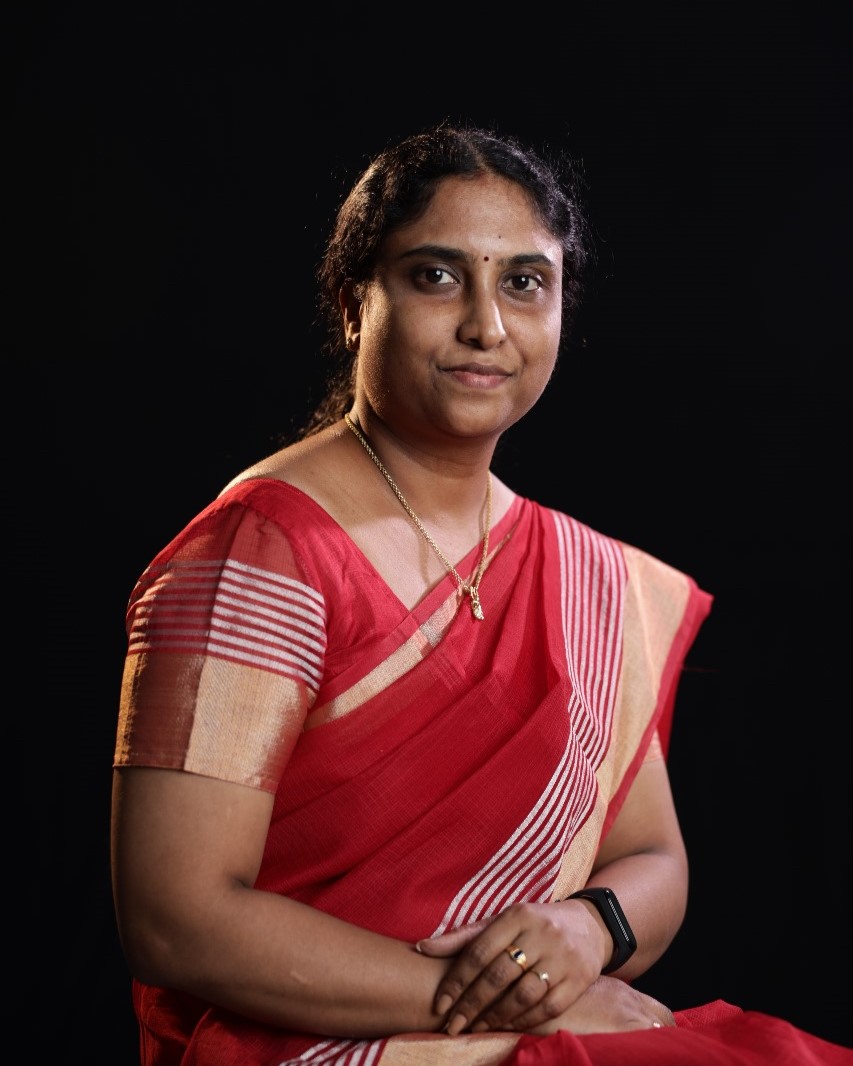
Ms.LISHA NILESH
Asst ProfessorDepartment: BA-CPJ Experience: 17 Qualification: MA ENGLISH

Ms.EVLYN ROSE
Asst ProfessorDepartment: BA-CPJ Experience: 4 Qualification: MA ENGLISH

Mr.RAHUL
Asst ProfessorDepartment: BA-CPJ Experience: 4 Qualification: MA ENGLISH
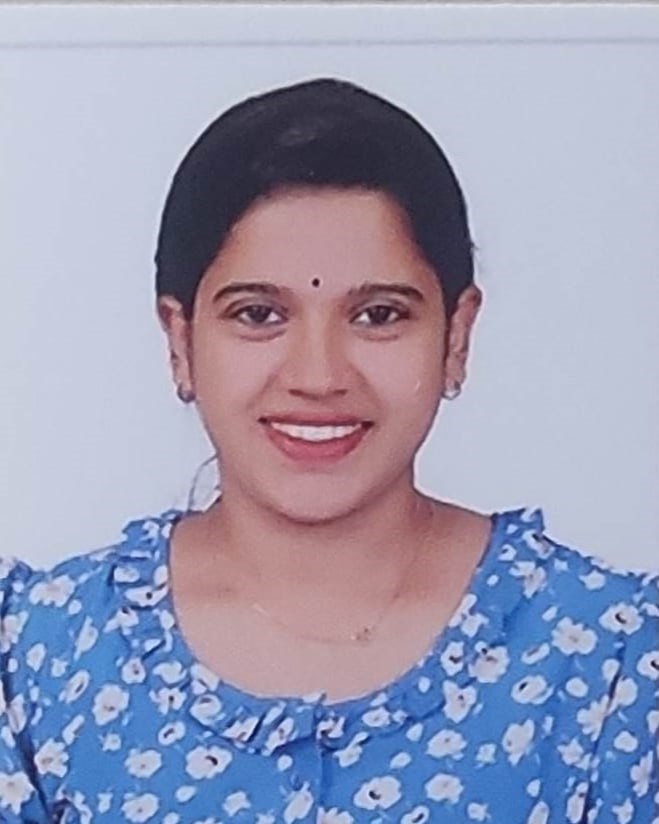
Ms.ASHIKA
Asst ProfessorDepartment: BA-CPJ Experience: 3 Qualification: MA ENGLISH